
Tbilisi
Tbilisi: The Warm Heart of the Caucasus
🌍 History & Culture
Tbilisi, the capital of Georgia, gets its name from the Old Georgian word "Tbili," meaning warm, referring to the natural sulfur springs the city was built around. Founded in the 5th century by King Vakhtang Gorgasali, the city has been destroyed and rebuilt 29 times, creating a fascinating architectural mix.
Today, Tbilisi is a bohemian and vibrant metropolis where East meets West. Charming traditional houses with intricately carved wooden balconies hang over cliffs, standing in stark contrast to futuristic glass structures like the Peace Bridge. It is famous for its legendary hospitality, world-class wine culture (the cradle of wine), and relaxed artistic atmosphere.
📍 Top Tourist Attractions
-
Narikala Fortress: An ancient fortress overlooking the city. Accessible by a scenic cable car ride, it offers the best panoramic views of the Old Town and the Mtkvari River.
-
Abanotubani (Sulfur Baths): The historic district famous for its brick-domed underground bathhouses. A scrub and massage here is a centuries-old tradition.
-
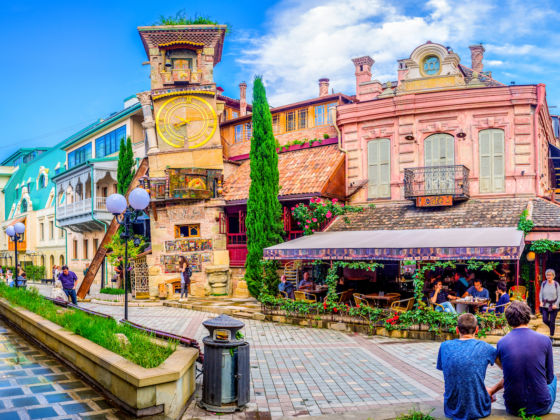
Old Tbilisi (Dzveli Tbilisi): A maze of narrow cobblestone streets filled with cafes, art galleries, and the city’s iconic crooked clock tower (Rezo Gabriadze Theatre).
-
The Bridge of Peace: A stunning bow-shaped glass and steel pedestrian bridge that lights up at night with thousands of LEDs.
-
Holy Trinity Cathedral (Sameba): One of the largest Orthodox cathedrals in the world, with a massive golden dome visible from everywhere in the city.
-
Chronicles of Georgia: Often called the "Georgian Stonehenge," this massive monument outside the city center depicts the history of Georgia and Christ.
Explore the place
The City Maps
Travel Inspiration & Special Offers
Receive travel guides, exclusive offers and Türkiye travel inspiration.
BMT Travel Turkey
Türkiye DMC & Incoming Tour Operator

Private Tours • Group Tours • Faith Tourism • Cultural Tours • Luxury Nature Experiences

Part of Bolu Mutlu Trans Group • Serving Transportation & Tourism Since 1978
Copyright © 2026 by Bolu Mutlu Trans Ltd. - BMT Travel Turkey

This site is protected by reCAPTCHA and the Google Privacy Policy and Terms of Service apply.
