B
M
T
T
U
R
K
E
Y



Turkey is not merely a destination; it is a profound narrative written in stone, silk, and soil. As we look toward the travel landscape of 2025, the demd for authentic, slow-paced, and culturally immersive travel is at an all-time high. From the mysterious plains of Upper Mesopotamia to the sun-drenched marble streets of the Aegean, Turkey’s cultural routes offer a journey through the very dawn of human civilization. This guide explores the diverse tapestry of Anatolia, providing a roadmap for those who seek to understand the soul of a land that has hosted empires, prophets, and pioneers.
In the southeastern reaches of Anatolia lies a region often referred to as the "Fertile Crescent." This is where the story of humanity took a radical turn, moving from the nomadic life of hunting and gathering to the established roots of agriculture and organized religion. Mesopotamia, the land between the Tigris and Euphrates, remains the ultimate destination for those seeking the origins of society.
Twelve thousand years ago, long before the invention of the wheel, the discovery of writing, or the arrival of settled agriculture, hunter-gatherers erected massive T-shaped limestone pillars carved with intricate animal reliefs. Göbeklitepe has fundamentally changed our understanding of human history. Previously, historians believed that agriculture led to the development of religion; Göbeklitepe suggests the opposite—that the urge to gather for spiritual purposes was the true catalyst for settled life.
Walking through this UNESCO World Heritage site near Şanlıurfa feels like stepping into a dream from a forgotten epoch. The recent excavations at Karahantepe, part of the "Taş Tepeler" (Stone Mounds) project, further expand this narrative, revealing a complex network of ritual sites that predate the pyramids by seven millennia. For the modern traveler, this is not just an archaeological visit; it is a confrontation with the very essence of human curiosity and devotion.
Continuing the journey through Mesopotamia, one encounters Mardin, a city where golden-hued stone houses cascade down a hillside overlooking the vast Syrian plains. The architecture here—a blend of Artuqid, Syriac, and Ottoman styles—whispers stories of a multicultural past that remains vibrant today. Mardin is a place where the calls to prayer from historic mosques harmonize with the bells of ancient Syriac Orthodox monasteries like Deyrulzafaran.
The city's narrow, winding streets (abbaras) are designed to provide shade and communal space, creating an urban labyrinth that has survived centuries. Visitors can explore the local silver filigree workshops (Telkari), taste the spiced wines of the region, and witness the sunset over the Mesopotamian horizon, a sight that has remained unchanged for thousands of years.
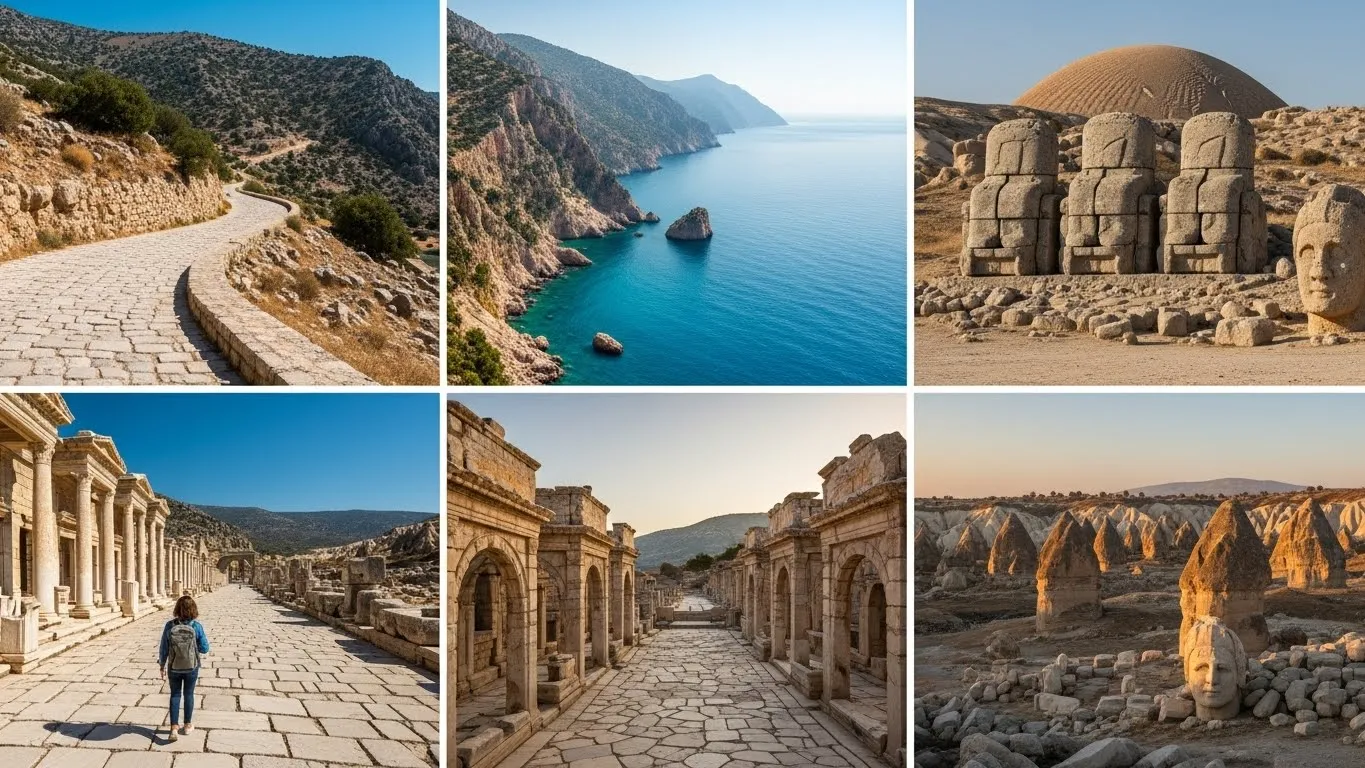
At the summit of Mount Nemrut, located in Adıyaman, the colossal stone heads of gods and kings watch the sunrise. This 1st-century BC sanctuary was built by King Antiochus I of Commagene as a tomb-sanctuary for himself. The fusion of Greek and Persian mythology is evident in the statues of Apollo, Zeus, and Heracles that flank the King’s own likeness. Reaching the summit at dawn or dusk provides a cinematic experience where the golden light illuminates the weathered faces of these stone giants, creating a bridge between the mortal and the divine.
While the East offers mystery and antiquity, the West provides the grandeur of the Greco-Roman world and the vibrant, sophisticated spirit of the Mediterranean. The Aegean coast of Turkey is a region where philosophy, science, and art flourished under the sun.
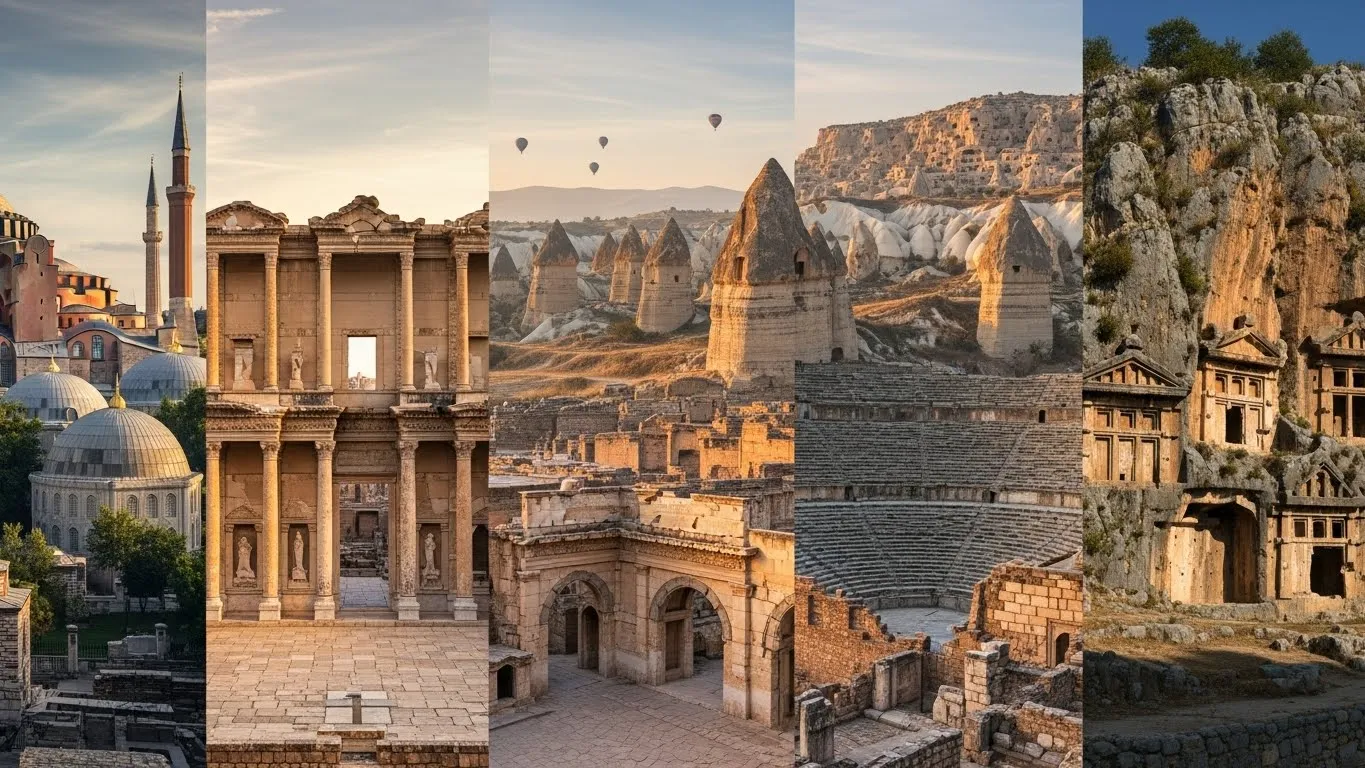
Ephesus remains one of the most complete and evocative ancient cities in the world. Once a major port and the second-largest city of the Roman Empire, it served as a beacon of commerce and culture. Visitors can stroll down the Curetes Way, the city's main artery, and stand before the breathtaking façade of the Library of Celsus, which once housed thousands of scrolls.
The Great Theatre, with a capacity for 25,000 spectators, still echoes with the ghosts of ancient dramas and the sermons of St. Paul. However, the true highlight for many are the Terrace Houses. Often called "the houses of the rich," these villas feature remarkably preserved mosaics and frescoes that offer an intimate look at the daily lives, heating systems, and artistic tastes of the Roman elite.
Beyond Ephesus, the Aegean route includes the medical sanctuary of Pergamon (Bergama). Home to the Asklepion, one of the world's first healing centers, Pergamon was a city of intellectuals and innovators. Its library rivaled that of Alexandria, and its steep hillside theatre remains one of the most dramatic architectural feats of antiquity.
Further north lies the legendary ruins of Troy (Truva). immortalized by Homer's Iliad. While the layers of history here can be complex to navigate, the newly opened Troy Museum provides a world-class interpretive experience, showcasing the treasures and stories that have inspired poets and explorers for nearly three millennia.
The cultural heritage of the Aegean is not just found in ruins; it lives in the "Cittaslow" (Slow City) movements. Towns like Seferihisar, Akyaka, and Gökçeada prioritize the preservation of local traditions, sustainable agriculture, and traditional crafts. Here, the Aegean lifestyle—centered around olive oil, local markets, and communal dining—offers a modern cultural route for those looking to escape the frantic pace of 21st-century life.
To understand the full mosaic of Turkey, one must travel into the heart of the Anatolian plateau, where the landscape itself becomes a canvas for human ingenuity.
The volcanic landscape of Cappadocia is a geological marvel, but its cultural significance is even more profound. For centuries, the soft "tuff" rock was carved into underground cities like Derinkuyu and Kaymaklı, capable of housing thousands of people during times of invasion. The valley's rock-cut churches, decorated with Byzantine frescoes, represent a unique chapter in early Christian history. In 2025, the trend in Cappadocia is moving toward "Slow Exploration"—hiking the Red and Rose Valleys at dawn and visiting the pottery workshops of Avanos to understand the 4,000-year-old Hittite tradition of clay work.
South of Cappadocia lies Konya, the former capital of the Seljuk Sultanate of Rum. This is the city of Rumi, the 13th-century Sufi mystic and poet whose message of universal love and tolerance continues to resonate globally. The Mevlana Museum, with its iconic turquoise dome, is a site of pilgrimage where visitors can witness the spiritual discipline of the Whirling Dervishes. Konya represents the intellectual and mystical heart of Anatolia, offering a contrast to the coastal ruins with its deep focus on interiority and the soul.
The sheer scale of Turkey’s heritage can be overwhelming. Planning a multi-day adventure requires a balance between exploration and comfort, ensuring that the journey itself is as rewarding as the destinations.
Combining archaeology with relaxation, these journeys on traditional wooden gulets (Turkish schooners) are a cultural experience in themselves. Sailing along the Lycian coast from Fethiye to Kaş, travelers can explore sunken ruins in Kekova, where the foundations of ancient houses are visible beneath the clear turquoise water. Spending nights anchored in remote bays, eating meals prepared with fresh local ingredients, and visiting Lycian rock tombs accessible only by sea offers a unique perspective on Turkey's maritime history.
For those seeking a more contemplative experience, the train journey from Ankara to Kars is a winter favorite that has gained international fame. The Touristic Eastern Express offers a slow-motion view of the Anatolian plateau, crossing high bridges and passing through deep canyons. The journey culminates in Kars, a city with a unique blend of Russian and Ottoman architecture, and a visit to the medieval ghost city of Ani. Once a rival to Constantinople, the ruins of Ani stand on the border of Armenia, a poignant reminder of the ebb and flow of empires.
Utilizing Turkey’s modern highway network and improved infrastructure, travelers can now cross from the lush, green mountains of the Black Sea (Karadeniz) to the warm shores of the Mediterranean in a matter of days. These road trips allow for a dramatic shift in experience—from the tea plantations and wooden mansions of Rize to the citrus groves and Roman temples of Antalya. BMT Turkey specializes in creating these cross-regional itineraries that highlight the vast geographic and cultural diversity of the country.
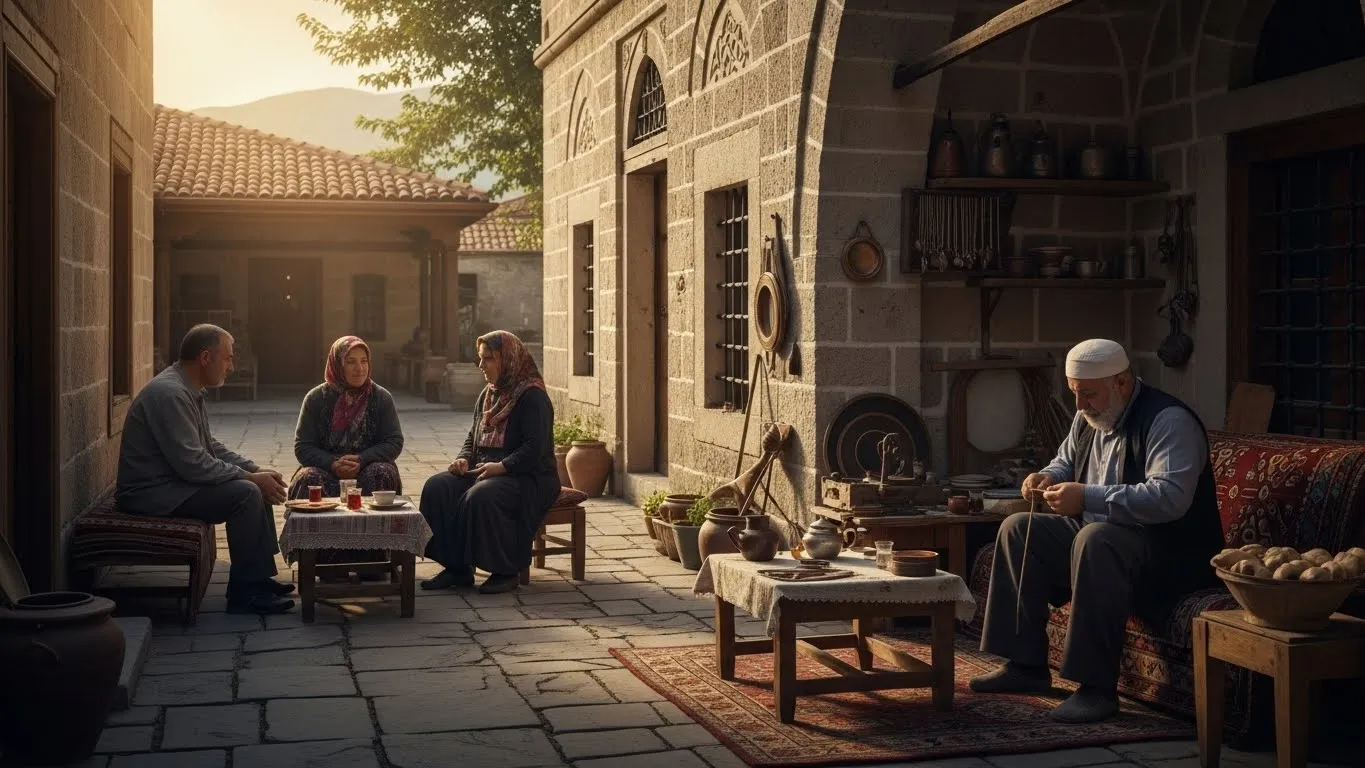
In an era of mass tourism and "bucket-list" ticking, BMT Turkey focuses on the "Human Element." We believe that a true experience of local life cannot be found in a brochure or a crowded museum tour; it is found in the moments of connection between people.
Our itineraries are designed to immerse you in the living culture of Turkey. This might mean:
Culinary Immersions: Sharing a meal with a local family in a traditional Cappadocian "cave" home, where you help prepare Mantı (Turkish ravioli) or bake bread in a stone oven.
Artisanal Heritage: Participating in an olive harvest in the Aegean hills, visiting the mills where the oil is pressed, and tasting the "green gold" of the region.
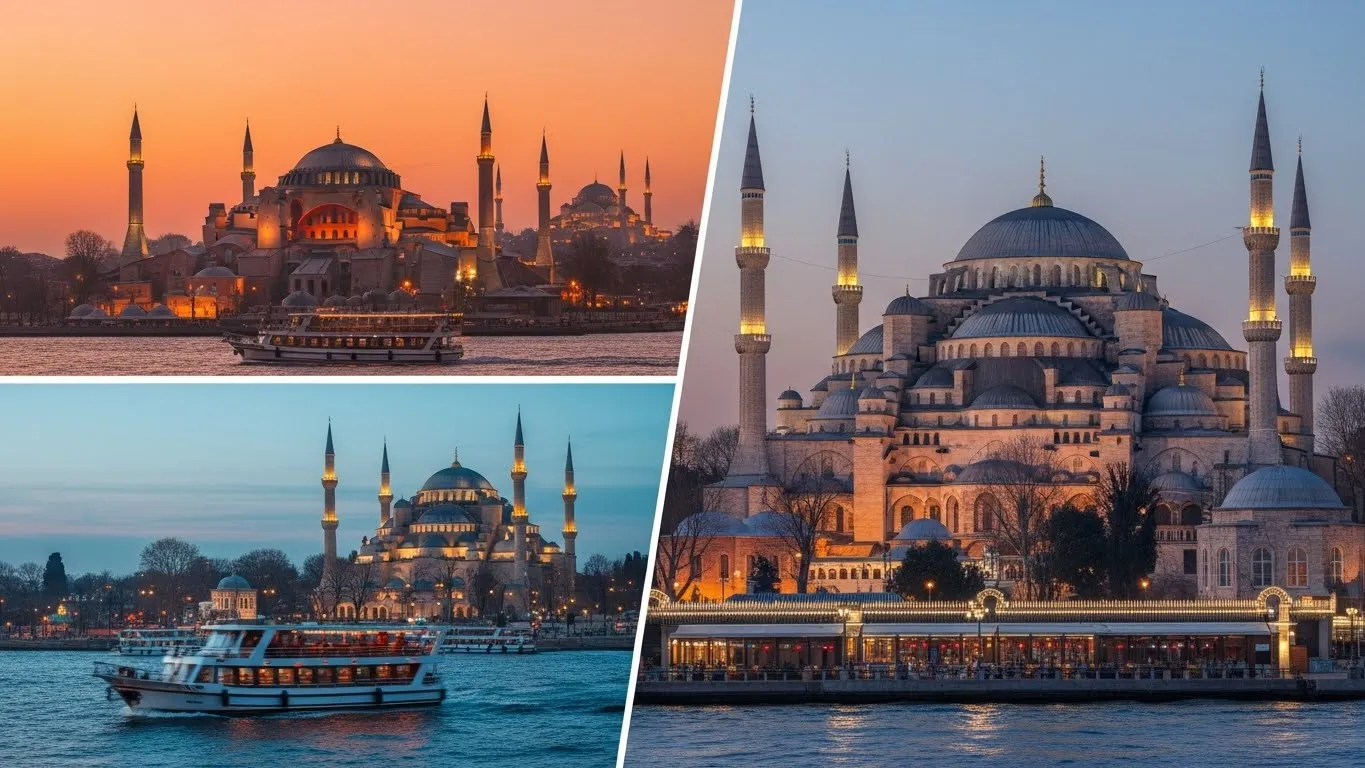
Masterclasses: Learning the ancient art of Ebru (water marbling) or traditional calligraphy from a master craftsman in the historic backstreets of Istanbul.
Our guides are selected not just for their historical knowledge, but for their ability to weave a narrative. They are storytellers who bridge the gap between ancient myths and modern Turkish identity. Whether you are exploring the hidden hans of the Grand Bazaar, the remote highlands (Yayla) of the Kaçkar Mountains, or the sophisticated galleries of contemporary Istanbul, BMT Turkey provides the context that transforms a trip into a life-changing experience. We don't just show you where things happened; we explain why they matter to the world today.
As we approach 2025, the way people travel is shifting. Travelers are more conscious, more curious, and more adventurous than ever before. Here is what is shaping the Turkish travel landscape:
The focus has moved beyond "eco-friendly" to "regenerative." Travelers are seeking out experiences that leave a positive impact on the local community and the environment. This includes staying in restored historic mansions, supporting local cooperatives, and choosing low-impact transportation like trains or trekking. BMT Turkey partners with local initiatives to ensure that your visit contributes to the preservation of Anatolia's heritage.
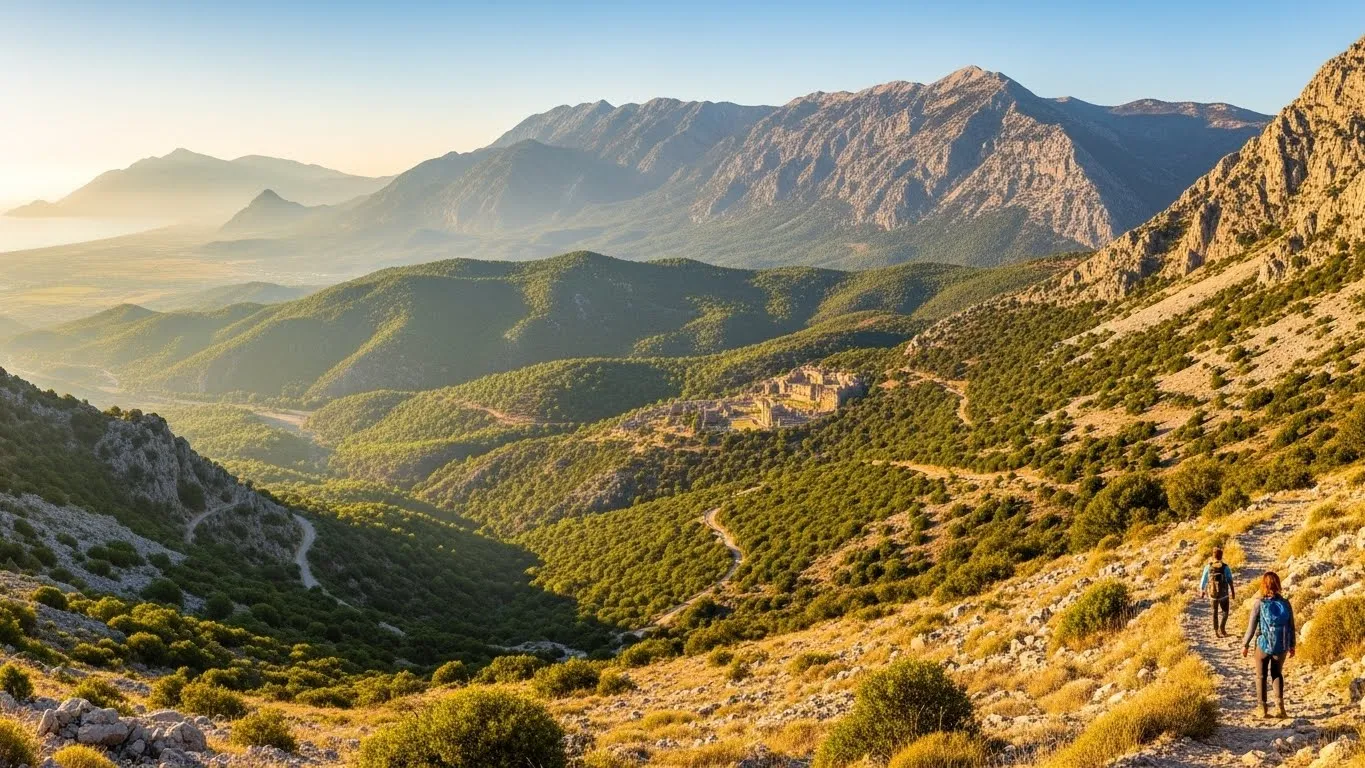
To avoid the peak crowds and the intense summer heat, "Second Summer" (September-October) and "Early Bloom" (April-May) are becoming the preferred times for cultural trekking and archaeological tours. These seasons offer a more intimate experience with the sites, better photography opportunities, and a more pleasant climate for walking the historic routes like the Lycian Way or the St. Paul Trail.
Destinations that offer "quiet luxury" and a chance to disconnect are trending. The Faralya village on the Lycian Way, the high plateaus of Rize and Artvin, and the thermal springs of Afyon are becoming popular for those seeking a "Digital Detox." These locations combine stunning natural beauty with ancient wellness traditions, such as the authentic Turkish Hammam experience.
Turkish cuisine is finally being recognized for its regional depth. Travelers are no longer satisfied with just kebab; they are seeking out culinary pilgrimages. This includes:
Gaziantep & Hatay: Visiting these UNESCO Cities of Gastronomy to taste the world’s best pistachios, kebabs, and Künefe.
Van Breakfast Culture: Experiencing the legendary "Van Kahvaltısı," a morning feast consisting of dozens of local cheeses, honeys, and specialty breads.
The Aegean Wine Route: Exploring the boutique vineyards of Urla and Bozcaada, where ancient grape varieties are being revived using modern viticulture techniques.
We are seeing a rise in families traveling together to discover their roots or to share a profound educational experience. Turkey’s diverse attractions—from beaches for the children to deep history for the adults—make it the ideal destination for multi-generational "Legacy Trips."
Turkey is a mosaic that is constantly being rearranged, offering new patterns and perspectives with every visit. It is a land that demands to be felt as much as seen. With BMT Turkey, you are invited to find your own piece of this magnificent puzzle, ensuring that your journey is as timeless and enduring as the land of Anatolia itself. Whether you are seeking the silence of the Mesopotamian plains or the vibrant energy of a coastal bazaar, your story is waiting to be written here.

 English