B
M
T
T
U
R
K
E
Y


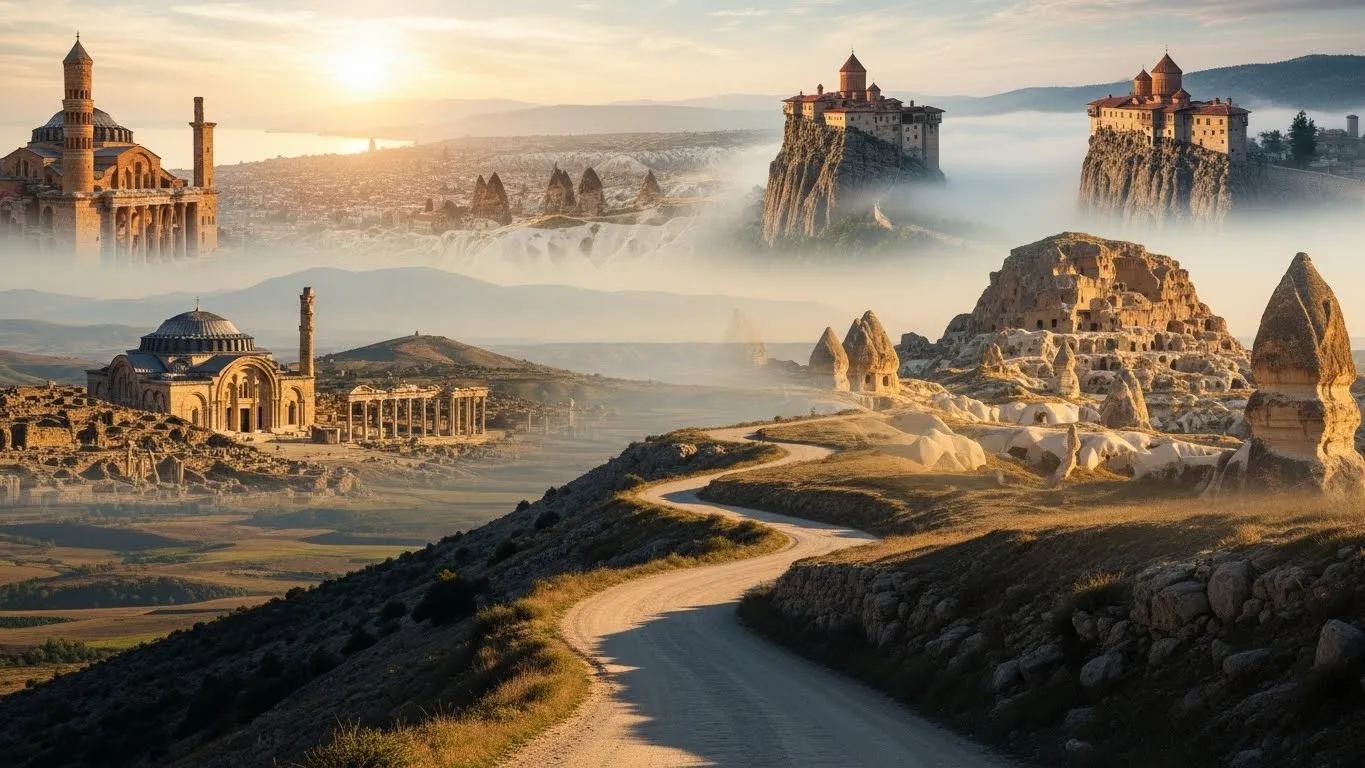
Anatolia, the bridge between Europe and Asia, has served as a melting pot of civilizations, cultures, and religions for millennia. From the earliest pagan temples of Göbeklitepe to the first churches of Christianity and the magnificent mosques of the Ottoman Empire, this land has always been a sanctuary for those seeking a deeper connection with the divine. Today, Turkey stands as one of the most significant destinations for religious tourism globally, offering a profound journey through time and faith.
Why do thousands of travelers choose Anatolia every year? The answer lies in the sheer density of sacred history concentrated within its borders. Turkey is not just a holiday destination; it is an open-air museum of faith.
While the Holy Land is often associated with the life of Jesus, Anatolia is where Christianity truly took root and spread to the Western world. It was in Antioch (modern-day Antakya) that the followers of Jesus were first called "Christians." The First Seven Ecumenical Councils, which defined the core tenets of the Christian faith, all took place in modern-day Turkey—in cities like Nicaea (İznik), Constantinople (Istanbul), and Chalcedon (Kadıköy).
Beyond Christianity, Turkey holds immense significance for Judaism and Islam. From the Tomb of the Prophet Daniel in Tarsus to the spiritual magnetism of Rumi’s Mevlana Museum in Konya, Anatolia offers a narrative of coexistence. Travelers are drawn to the "Tolerance of Anatolia," where a church, a mosque, and a synagogue can often be found on the same street, whispering stories of a shared heritage.
The rise in religious tourism is also fueled by Turkey’s commitment to preserving these sites. Modern transportation, high-quality accommodation, and the preservation efforts of the Ministry of Culture and Tourism make it easier than ever for pilgrims and history enthusiasts to navigate these sacred landscapes comfortably.
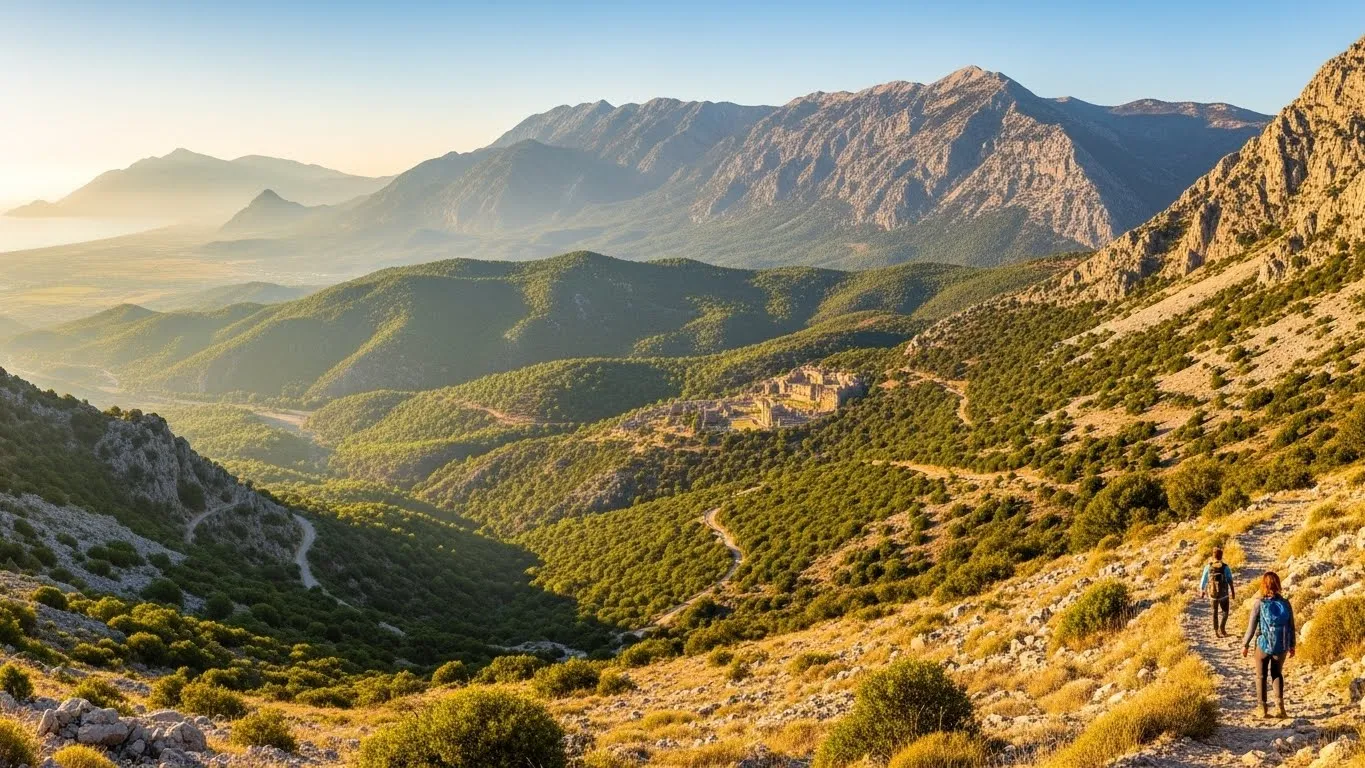
Of all the spiritual journeys one can take in Turkey, the Saint Paul Trail is perhaps the most evocative. Saint Paul the Apostle, born in Tarsus, was the most influential figure in the spread of Christianity to the Gentiles. His missionary journeys through the rugged Taurus Mountains and the high plateaus of Pisidia are legendary.
The journey begins in Tarsus, a city with over 6,000 years of history. Here, visitors can find St. Paul’s Well, located in a courtyard believed to be the site of his home. The water from this well is considered holy by many pilgrims. Walking through the narrow streets of Tarsus, one can almost feel the presence of the man who would eventually change the course of history.
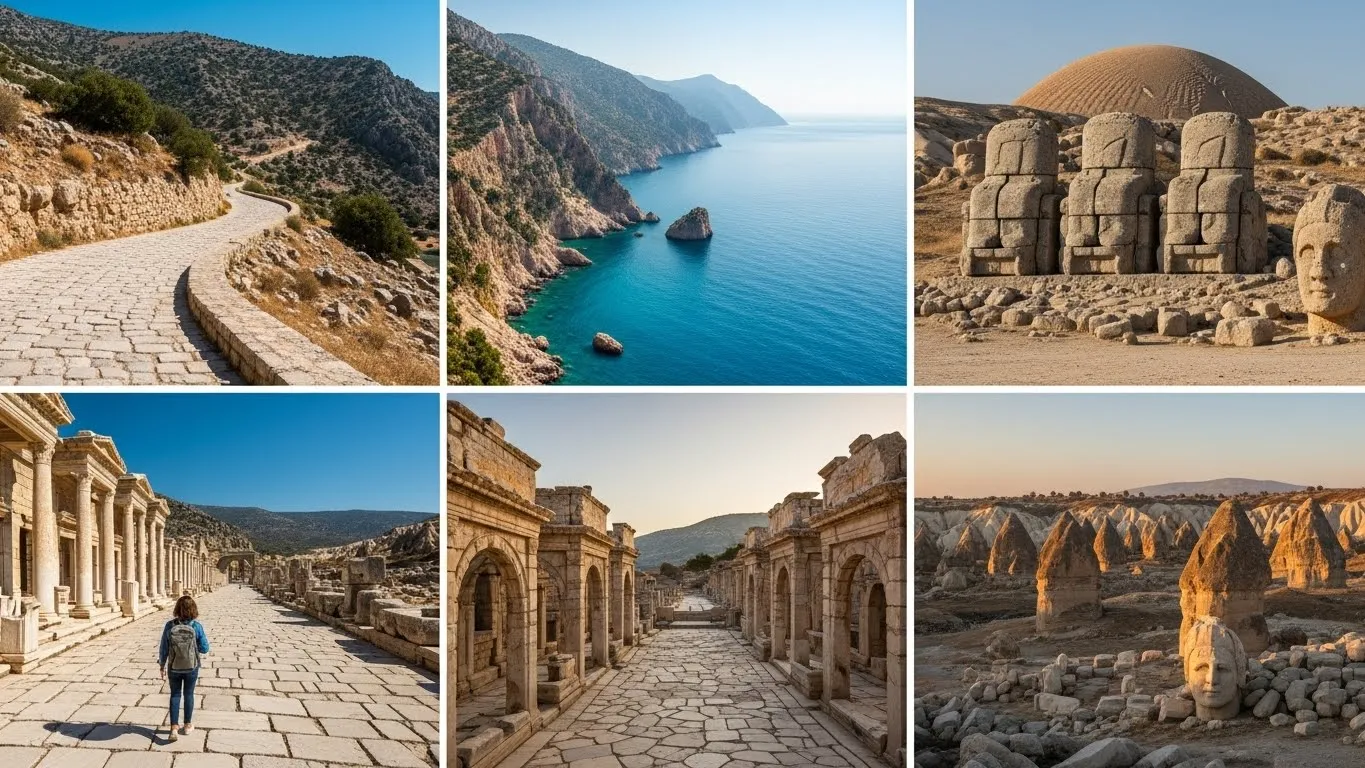
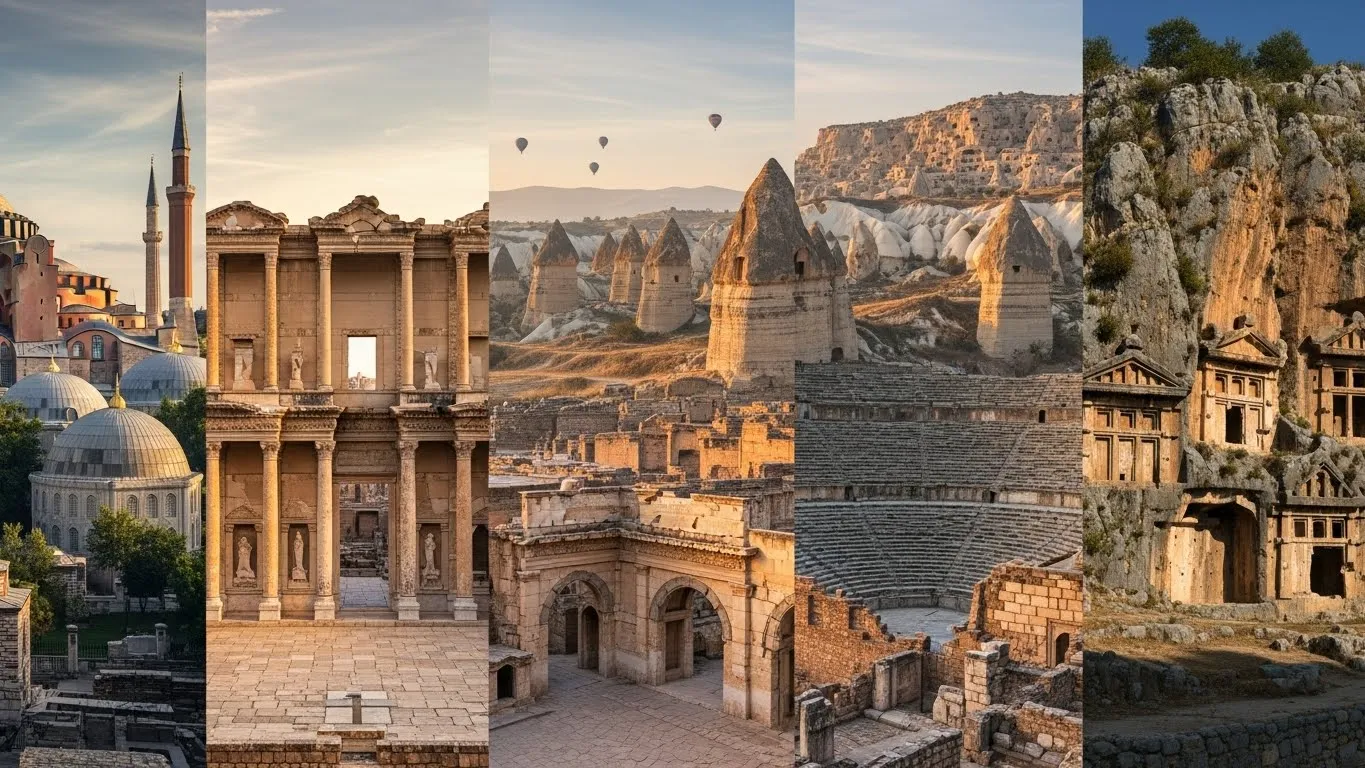
From the Mediterranean coast near Antalya, Paul traveled north to Perge. This ancient city, with its colonnaded streets and massive Hellenistic gates, served as a vital jumping-off point. The route from Perge leads into the heart of the Taurus Mountains. This is not a journey for the faint of heart; it involves trekking through dramatic canyons, cedar forests, and Roman roads that have remained largely unchanged for two thousand years.
The climax of many St. Paul tours is Pisidian Antioch, located near the modern town of Yalvaç. It was here, in the local synagogue, that Paul preached his first recorded sermon. Today, the ruins of a massive 4th-century basilica dedicated to St. Paul stand over the site of that original synagogue. Standing among the marble ruins, looking out over the fertile plains, the historical weight of his mission becomes tangible.
While the St. Paul Route focuses on the early apostolic era, Anatolia is dotted with later architectural marvels that reflect the peak of Byzantine and Armenian spiritual life.
Perched precariously on a cliff face in the Altındere Valley, the Sümela Monastery is a sight to behold. Dedicated to the Virgin Mary, this Greek Orthodox monastery dates back to the 4th century. Its vibrant frescoes, depicting biblical scenes and the history of the monastery, have survived centuries of mountain mists and historical shifts. It remains a symbol of monastic devotion and architectural ingenuity.
In the middle of Lake Van, on a small island, sits the Cathedral of the Holy Cross (Akdamar Church). Built in the 10th century, its exterior walls are covered in exquisite stone reliefs depicting scenes from the Old and New Testaments—David and Goliath, Adam and Eve, and Jonah and the Whale. The contrast of the reddish volcanic stone against the turquoise waters of Lake Van creates a spiritual atmosphere that is truly unique.
No discussion of sacred sites is complete without Cappadocia. Here, early Christians sought refuge from Roman and later Arab incursions. They carved entire cities and hundreds of churches into the soft volcanic tuff. The Göreme Open Air Museum houses some of the best-preserved "Dark Churches," where the lack of light has kept the colors of the frescoes as vivid as the day they were painted.
Embarking on a religious tour is different from a standard sightseeing holiday. It requires a deep understanding of theology, archaeology, and local traditions. This is where BMT Turkey excels.
A pile of stones is just a pile of stones without the story behind it. BMT Turkey provides guides who are not just experts in history, but also specialists in religious studies. They can explain the nuances of the letters Paul wrote to the Galatians while you are standing in the very region he was addressing.
Many of Turkey’s most sacred sites are located in remote or mountainous areas. Navigating the St. Paul Trail or reaching the heights of Sümela requires meticulous planning. BMT Turkey handles the complexities of transportation, permits, and specialized accommodation, allowing travelers to focus entirely on their spiritual and historical experience.
BMT Turkey understands that every traveler’s spiritual needs are different. Whether you are a group of scholars looking for an in-depth archaeological survey or a church group seeking a prayerful pilgrimage, we tailor the itinerary to ensure the journey is as meaningful as it is educational.
When visiting sacred sites in Turkey, showing respect for the local culture and the sanctity of the locations is paramount.
Dress Code:
Mosques: Women should cover their heads with a scarf, and both men and women should ensure their shoulders and knees are covered. Shoes must be removed before entering.
Churches/Monasteries: While some are now museums, many are still considered active holy sites. Modest dress is always appreciated.
Photography: Always look for signs regarding photography. In many "Dark Churches" in Cappadocia or the Sümela Monastery, flash photography is strictly prohibited to protect the ancient frescoes from light damage.
Silence is Golden: These sites often host people in prayer or meditation. Maintain a low volume and avoid intrusive behavior.
Stay Hydrated and Prepared: If you are walking sections of the St. Paul Route, ensure you have proper hiking boots and plenty of water. The Anatolian sun can be intense, even in the shoulder seasons.
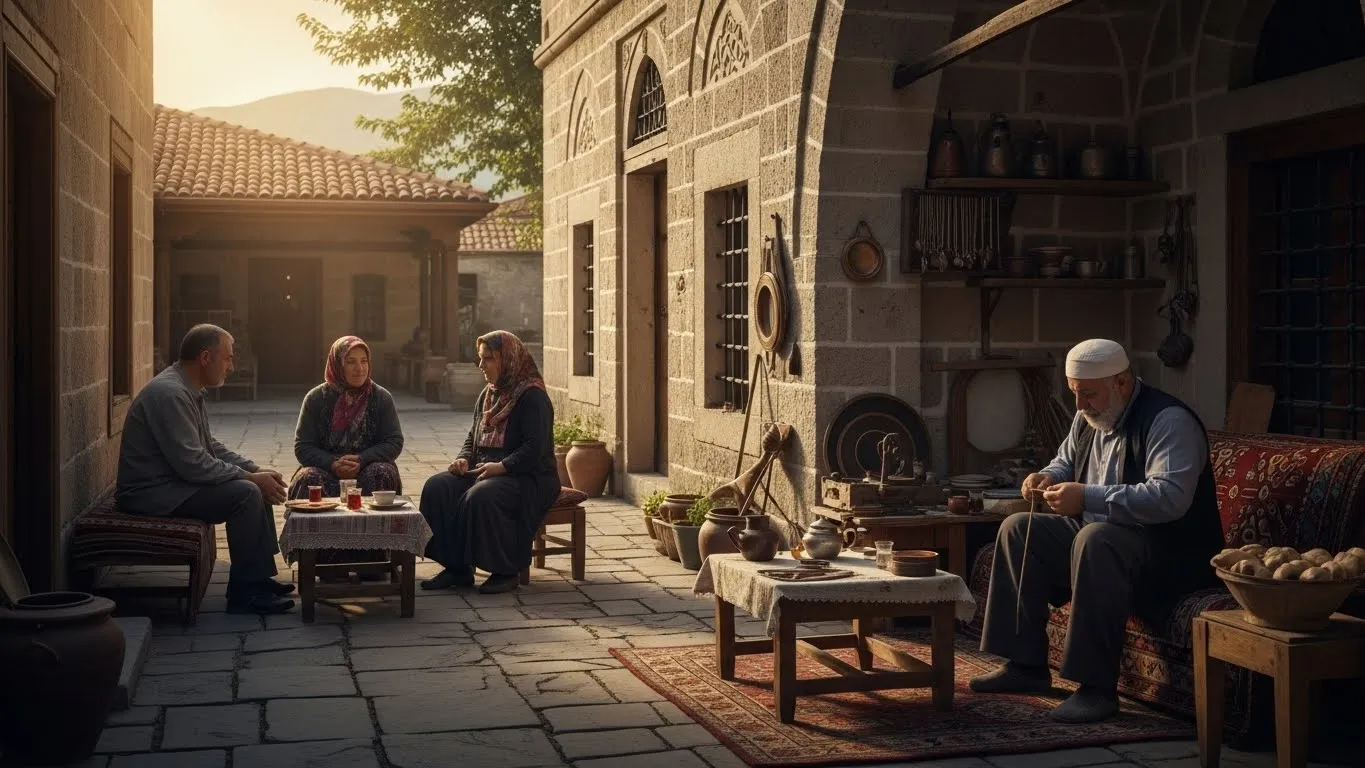
Engage with Locals: Anatolian hospitality is world-famous. Don't be afraid to accept a cup of tea from a local villager; these interactions often provide the most profound insights into the "living" religious culture of Turkey.
Anatolia is more than a destination; it is a bridge to the past and a mirror to the soul. By walking the Saint Paul Route or visiting the hidden monasteries of the east with BMT Turkey, you are not just a tourist—iz sürüyorsunuz (you are following the tracks) of those who shaped the spiritual foundation of the world.

 English