B
M
T
T
U
R
K
E
Y


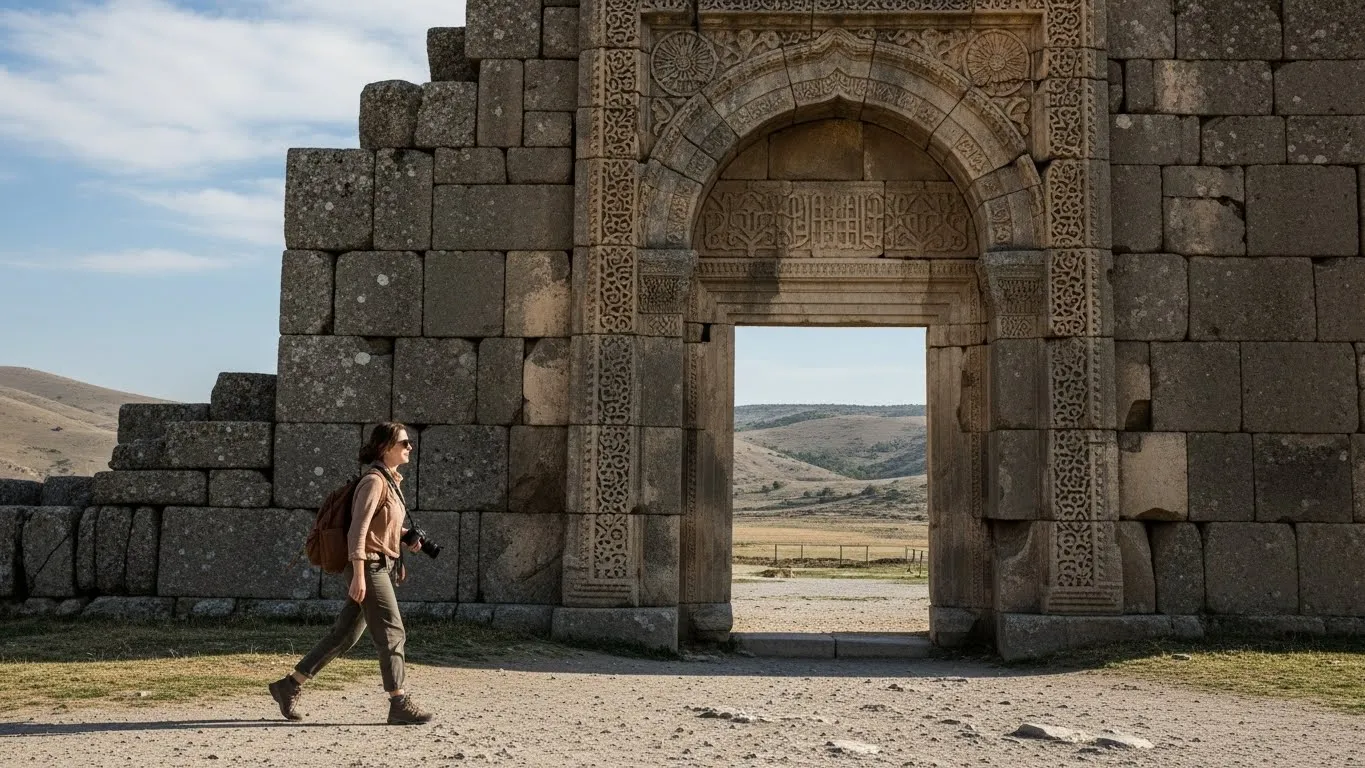
The Silk Road Legacy: Türkiye’s East-West Odyssey | Bmt Turkey offers a travel experience unlike any other. For centuries, the legendary Silk Road wasn't just a trade route; it was the world's most vital artery, facilitating the exchange of silk, spices, technologies, and philosophies between East and West. At the geographical and cultural nexus of this immense network lies Türkiye, the indispensable land bridge of Anatolia. This ancient landscape is etched with the footsteps of countless merchants, pilgrims, and explorers, whose journeys defined global civilization. Today, the echoes of the caravans still resonate, offering modern travelers a chance to traverse this historical highway. This journey—the Silk Road Legacy: Türkiye’s East-West Odyssey | Bmt Turkey—is an immersive experience. It takes visitors from the bustling, cosmopolitan markets of Istanbul, across the vast steppes of Central Anatolia, and into the heartland of Seljuk and Ottoman history. It is a quest for authenticity, blending the historical significance of ancient trade with the convenience and luxury of modern curated travel. Companies like Bmt Turkey specialize in crafting bespoke odysseys that trace the historical path, allowing travelers to connect directly with the heritage of these foundational trade routes. From staying in meticulously restored Caravanserais to exploring the architectural wonders of Seljuk-era cities like Konya and Kayseri, the experience is rich, educational, and deeply moving. This article explores the historical importance of the Silk Road within Türkiye, details the geographical stages of this incredible East-West traverse, and provides specific examples of tailored journeys that bring this powerful legacy to life, emphasizing why this modern odyssey is the ultimate cultural adventure.
Anatolia, the core territory of modern Türkiye, was not merely a transit zone but a critical endpoint and starting point for major Silk Road branches. Its role was amplified by its proximity to both the Mediterranean (via ports like Antalya and Mersin) and the Black Sea (via Trabzon and Sinop). Goods that arrived from China, Persia, and Central Asia had to pass through Anatolia to reach the Byzantine Empire, and later the Ottoman Empire, before distribution across Europe. This geographical necessity ensured that Anatolia developed a sophisticated system of trade management, security, and infrastructure that remains traceable today.
The foundational infrastructure supporting the Silk Road in Anatolia was largely perfected during the Seljuk Sultanate of Rum (11th to 13th centuries). Recognizing the economic and strategic value of trade, the Seljuks initiated a vast, state-sponsored building program of Caravanserais (Han or Kervansaray). These fortified roadside inns were strategically placed every 30 to 40 kilometers—a day's journey for a camel caravan. They provided free lodging, security, veterinary care for animals, and often medical services for merchants, funded by a dedicated state foundation. The architectural quality of these stone structures, often featuring ornate portals and sturdy defenses, elevated them from simple shelters to works of art. This unparalleled network solidified Türkiye's role as the most secure and well-organized segment of the entire East-West trade route.
The Silk Road did not follow a single, unbroken line but rather a network connecting vital commercial centers. In Anatolia, cities like Kayseri (Caesarea) and Konya (Iconium) became magnificent hubs of exchange, wealth, and culture. Kayseri was a center for textiles and trade finance, housing major markets and schools. Konya, as the Seljuk capital, became a spiritual and intellectual powerhouse, particularly associated with the Sufi poet and theologian Rumi and the Whirling Dervishes.
The wealth generated by the Silk Road was poured back into the cities, funding the construction of grand mosques, medreses (colleges), and hospitals. This period saw a remarkable synthesis of Islamic piety, commercial pragmatism, and artistic innovation. The intricately carved stone portals and vibrant tile work found in Seljuk architecture (like the Ince Minareli Medrese in Konya) are direct cultural dividends of the trade wealth. For travelers following the Silk Road Legacy: Türkiye’s East-West Odyssey | Bmt Turkey, these cities are not just historical sites; they are demonstrations of how sustained trade fostered profound cultural achievements, linking the practicalities of commerce with the loftiest expressions of faith and art.
While the original caravans have given way to containerized shipping and rail freight, the route's geopolitical importance is experiencing a powerful renaissance through the Middle Corridor (the Trans-Caspian International Transport Route). This modern corridor runs from China, through Central Asia, across the Caspian Sea, through the Caucasus (Azerbaijan and Georgia), and crucially, enters Türkiye via the Baku-Tbilisi-Kars (BTK) Railway. This route offers a faster, often more secure, alternative to traditional sea routes or the older Northern Corridor.
For the modern traveler, this focus on multi-modal connectivity translates into varied and efficient travel options. While the BTK railway is a freight line, the infrastructure improvements benefit passenger travel immensely, connecting previously distant regions. Modern travelers can seamlessly transition between high-speed trains (like the ones connecting Ankara and Konya), domestic air travel, and luxury road transport—all coordinated by services like Bmt Turkey to mirror the smooth, multi-stage nature of the historical caravans. This modern logistical efficiency makes the historical sites more accessible than ever before. This integrated approach emphasizes the continuing Silk Road Legacy: Türkiye’s East-West Odyssey | Bmt Turkey today.
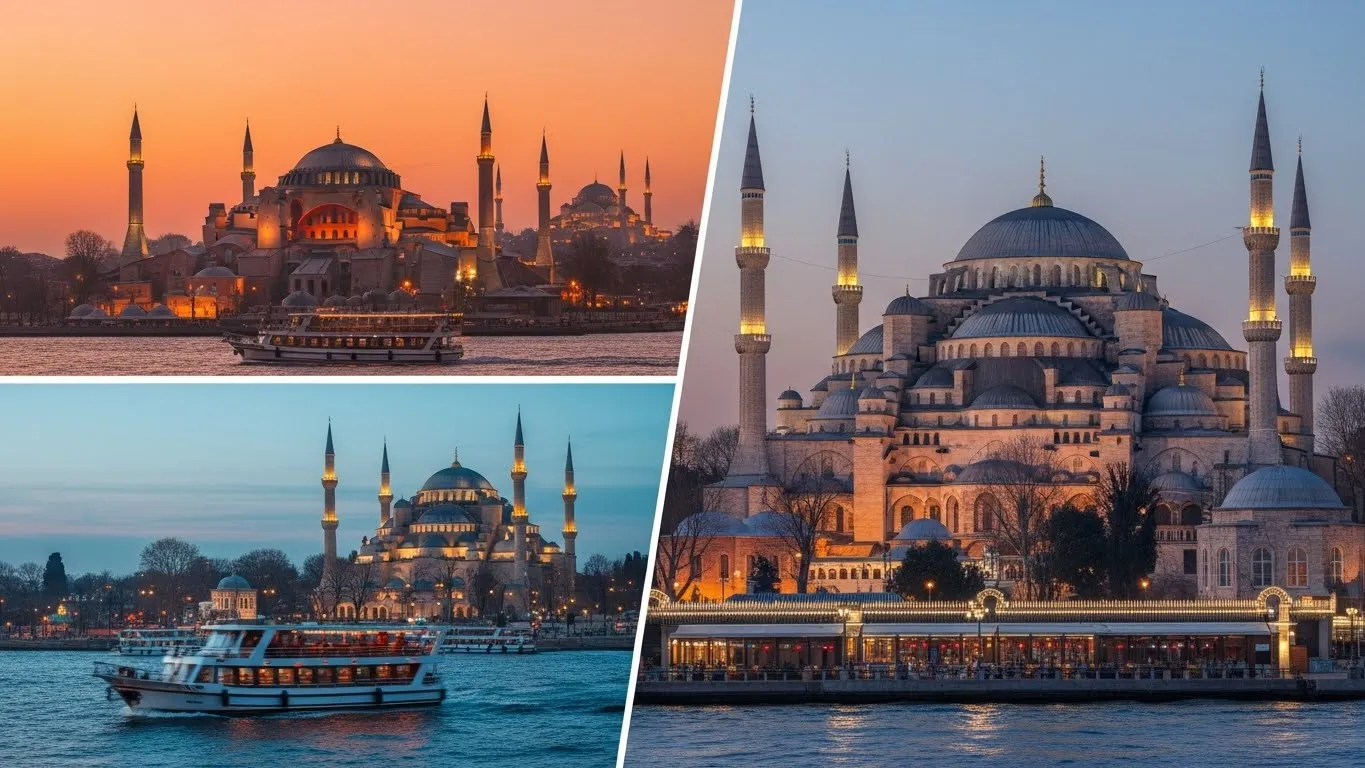
The modern odyssey must include the ancient urban termini of the Silk Road. Istanbul, the ultimate imperial capital, serves as the grand finale (or starting point).
The Grand Bazaar and Spice Bazaar: These markets are direct, living descendants of the Silk Road's commercial energy, still teeming with goods from across the globe.
Eastern Anatolian Gems: Cities like Erzurum and Diyarbakır represent the critical eastern gateways, where Persian and Mesopotamian influences merged with Anatolian culture.
For the cultural explorer, understanding the legacy means engaging with the people, the food, and the crafts that have been exchanged for centuries. The experience of haggling for spices, observing traditional copper work, or sampling regional fusion cuisine is a direct continuation of the Silk Road's cultural mandate. The Silk Road Legacy: Türkiye’s East-West Odyssey | Bmt Turkey Modelleri offers a curated path through these essential cultural hubs, transforming the history from textbook knowledge into vibrant, sensory reality.
This journey is designed for those who wish to trace the literal economic flow of goods that defined the Silk Road—specifically focusing on textiles, ceramics, and spices, which profoundly impacted Ottoman cuisine and crafts. This bespoke tour focuses on the most preserved historical markets and artisan workshops.
The tour begins in Bursa, the Ottoman Empire's first capital, focusing on the Koza Han (Silk Cocoon Inn). Travelers receive a private session on historical silk trade practices, visit artisan workshops where traditional silk weaving is still practiced, and purchase authentic, locally sourced textiles. The journey then moves to Central Anatolia, stopping at Aksaray or Nevşehir to stay overnight in a restored Caravanserai (Sarıhan or Ağzıkarahan), recreating the atmosphere of the ancient merchant stopover.
The final leg culminates in Istanbul. Here, the focus shifts to the Spice Bazaar (Mısır Çarşısı), where a private culinary historian guides travelers through the history of Indian and Egyptian spices imported via the Silk Road, demonstrating their integration into Turkish gastronomy. This Silk Road Legacy: Türkiye’s East-West Odyssey | Bmt Turkey example provides a tangible, sensory connection to the route's economic heart, linking ancient trade with modern Turkish culture and cuisine. The experience is meticulously planned by Bmt Turkey to ensure historical authenticity paired with high-end travel comfort.
The Silk Road was equally important as a conduit for religious and philosophical ideas. This journey is crafted for travelers interested in the spiritual and intellectual heritage shared between East and West, primarily focusing on Sufism and its flourishing in the Seljuk heartland.
The centerpiece of this tour is Konya, the city of Mevlana Jelaleddin Rumi. Travelers are provided with deep-dive lectures on Rumi's philosophy and its connection to broader Silk Road intellectual exchange (LSI: Mevlevi Order). Key experiences include:
Mevlana Museum Visit: Private, guided viewing of the Mevlana Museum and the Green Dome, detailing the history of the Whirling Dervishes (Sema).
Sema Ceremony: Attending an authentic, small-group Sema Ceremony, not as a tourist spectacle, but as a respectful cultural observance, often followed by a private discussion with a scholar or member of the community.
The journey extends east to visit the Shrine of Hacı Bektaş Veli (LSI: Alevi-Bektaşi heritage), demonstrating the diversity of Anatolian Islamic mysticism fostered by the secure routes of the Silk Road. Bmt Turkey ensures all visits are conducted with maximum cultural respect, offering a profound, meditative experience of the Silk Road Legacy: Türkiye’s East-West Odyssey | Bmt Turkey.
This tour is tailored for architecture enthusiasts and historians, focusing on the impressive public works and fortifications funded by the wealth generated from trans-continental trade. It provides an in-depth look at the Seljuk and early Ottoman construction styles along the most trafficked Silk Road segments.
The journey focuses on the historical route between Sivas, Kayseri, and Aksaray, showcasing the finest examples of Seljuk artistry:
Sivas and Divriği: Visiting the Great Mosque and Hospital of Divriği (a UNESCO World Heritage Site), known for its spectacular, asymmetrical stone carving—a direct example of Seljuk genius. The artistry here reflects influences from Persia and Central Asia carried along the trade routes.
Kayseri's Citadel: Examining the fortifications and gates of Kayseri, highlighting their role in protecting the vital commercial center and ensuring the continuity of the Silk Road Legacy: Türkiye’s East-West Odyssey | Bmt Turkey.
The itinerary incorporates multiple visits and stays at the best-preserved Caravanserais, such as the Sultanhanı near Aksaray, allowing travelers to study the complex architectural elements, including the monumental portals and the centralized mosque structures within the courtyards. This tour emphasizes how trade security directly financed the most significant architectural achievements of the era.
The Silk Road was not purely an overland route. Its northern branch famously used the Black Sea ports to bridge Anatolia with Crimea and European markets. This specialized tour focuses on the cultural exchange and trade activities of this lesser-known, yet critically important, maritime Silk Road extension.
The tour concentrates on the region around the city of Trabzon (ancient Trebizond), which served as the easternmost major port for European traders, particularly the Genoese and Venetians, who facilitated the final movement of silk and spices into Europe.
Sumela Monastery and Trabzon's Hagia Sophia: Exploring the historical religious and cultural sites that demonstrate the multi-ethnic trading community that thrived in Trabzon under the protection of the Komnenos Empire and later the Ottomans.
Amasya and Sinop: Traveling to the historic riverside city of Amasya, a hub for provincial governors and intellectual life, and the historic port of Sinop, where the connection between the Black Sea trade and the Anatolian interior road network is palpable.
This journey highlights the complexity of the Silk Road Legacy: Türkiye’s East-West Odyssey | Bmt Turkey, proving that the odyssey involved both grueling desert crossings and sophisticated maritime logistics. By focusing on these coastal regions, Bmt Turkey provides a complete picture of the East-West commercial network's diverse operational models.
The Silk Road's most delicious legacy is its contribution to gastronomy. The constant exchange of spices (saffron, cinnamon, cumin) from the East, grains, and preservation techniques created a rich, layered, and diverse regional cuisine in Anatolia. The Silk Road Legacy: Türkiye’s East-West Odyssey | Bmt Turkey offers travelers the opportunity to participate in culinary workshops focused on historical cooking methods, highlighting the Persian, Arab, and Central Asian influences that form the foundation of modern Turkish dishes. This gastronomic exploration is a tangible way to connect with the route’s history.
For a complete immersion, accommodation plays a key role. Bmt Turkey incorporates stays in beautifully restored Ottoman-era houses and, where possible, luxuriously renovated Hans (Caravanserais). Staying in these structures provides an authentic sense of the past, contrasting sharply with standard modern hotel chains. This focus on heritage lodging ensures that the traveler’s rest is as historically resonant as their daily explorations, reinforcing the spirit of the ancient traveler. Silk Road Legacy: Türkiye’s East-West Odyssey | Bmt Turkey Modelleri prioritizes this authentic, high-quality immersion.
The Silk Road Legacy: Türkiye’s East-West Odyssey | Bmt Turkey is the ultimate adventure for the discerning traveler, offering an unmatched intersection of history, culture, and modern comfort. From the monumental Caravanserais of Central Anatolia to the bustling, historic markets of Istanbul, Türkiye represents the indispensable link in the world's most transformative trade route. By meticulously curating journeys that blend the spiritual path of Rumi, the architectural genius of the Seljuks, and the historical movement of global commodities, Bmt Turkey ensures that this ancient odyssey is accessible, educational, and deeply moving. This journey is more than sightseeing; it is an active participation in a living legacy that continues to define East-West connectivity today.

 English