B
M
T
T
U
R
K
E
Y


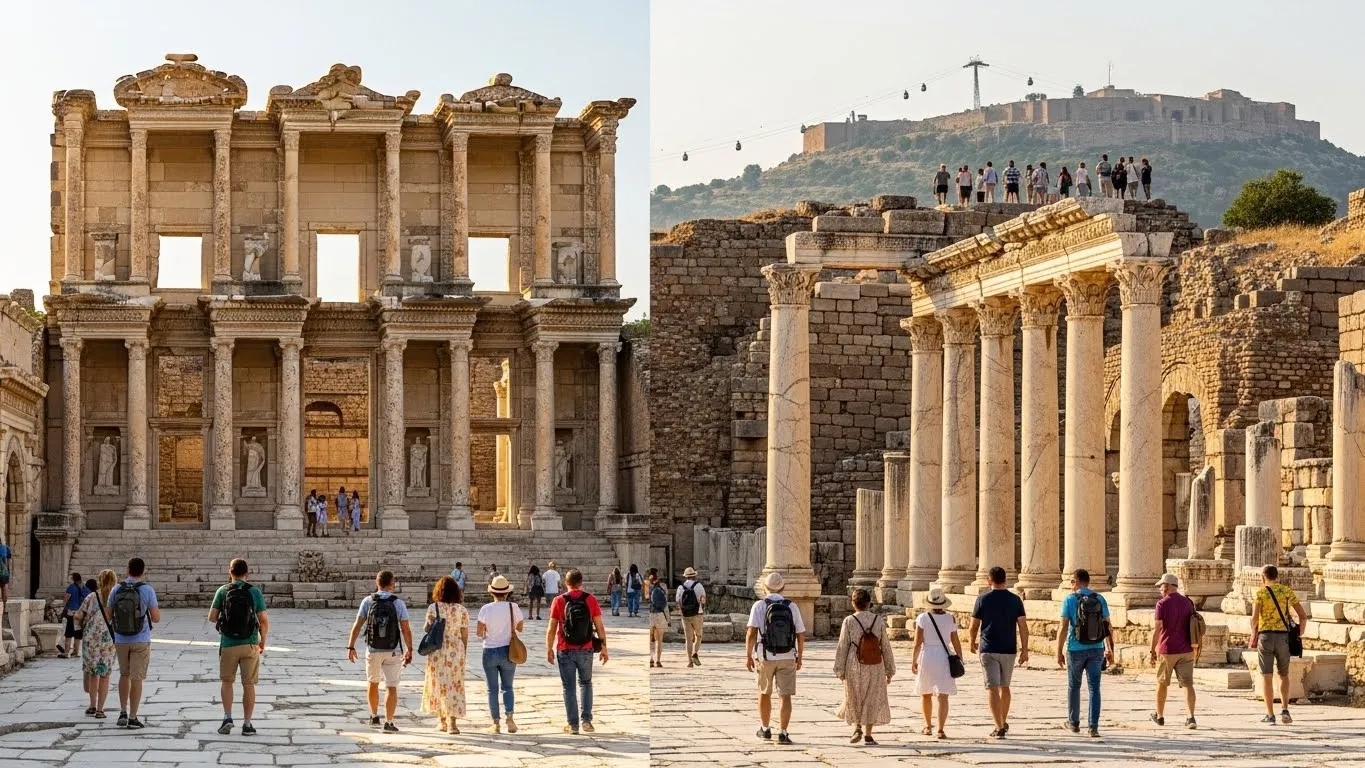
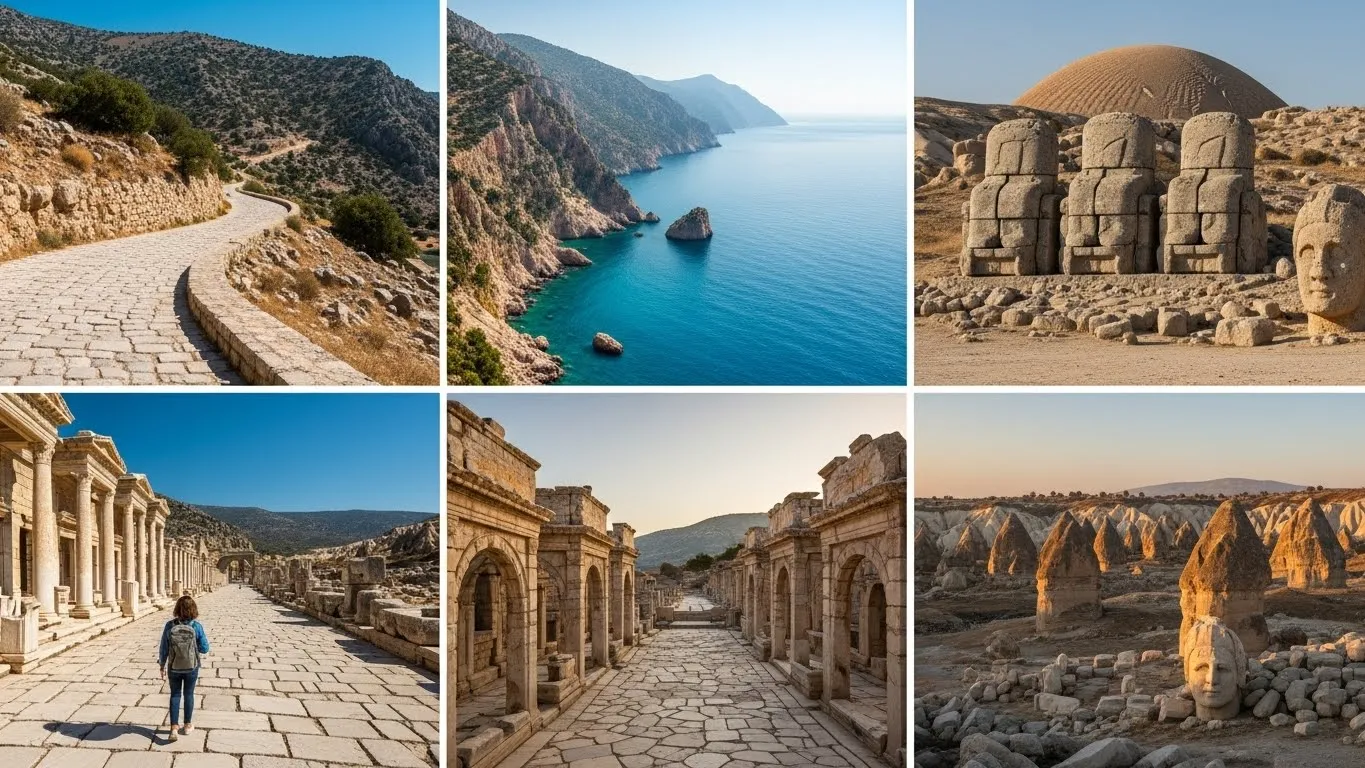
The Book of Revelation, penned by the Apostle John while exiled on the island of Patmos, contains seven specific letters addressed to Christian communities in the Roman province of Asia (modern-day Türkiye). These Seven Apocalyptical Churches are historical realities, and a pilgrimage to their ruins is one of the most compelling spiritual and archaeological journeys available today. This initial segment of the pilgrimage, focusing on Ephesus, Smyrna, and Pergamum, takes the traveler to the heart of Roman imperial power and early Christian struggle. The Seven Apocalyptical Churches I | Bmt Turkey represents a journey that seamlessly blends monumental Roman architecture with profound scriptural context. These first three sites vividly illustrate the diverse challenges faced by the early church: the loss of zeal amidst affluence in Ephesus, the severe persecution endured by the faithful in Smyrna, and the spiritual compromise demanded by pervasive paganism in Pergamum. Traveling to these historically rich locations—from the towering Library of Celsus in Ephesus to the lofty Acropolis of Pergamum—is to step directly into the world of the first-century believer. Bmt Turkey specializes in crafting these bespoke tours, providing dedicated theological guides and superior logistical coordination to ensure that the traveler's focus remains entirely on the spiritual and historical significance of each site. This article will explore the unique cultural and religious environments of Ephesus, Smyrna, and Pergamum, detailing the powerful messages they received, and outlining specific, curated itineraries that define the ultimate The Seven Apocalyptical Churches I | Bmt Turkey experience.
Ephesus (near modern-day Selçuk) was, in the 1st century AD, arguably the most important city in Asia Minor—a major port, a commercial hub, and the seat of Roman proconsuls. It was a primary center of early Christianity, being home to the Apostle Paul for two years and traditionally associated with the Apostle John and the Virgin Mary. The city’s grandeur is still evident in its remarkably preserved ruins, making it one of the world's greatest archaeological sites.
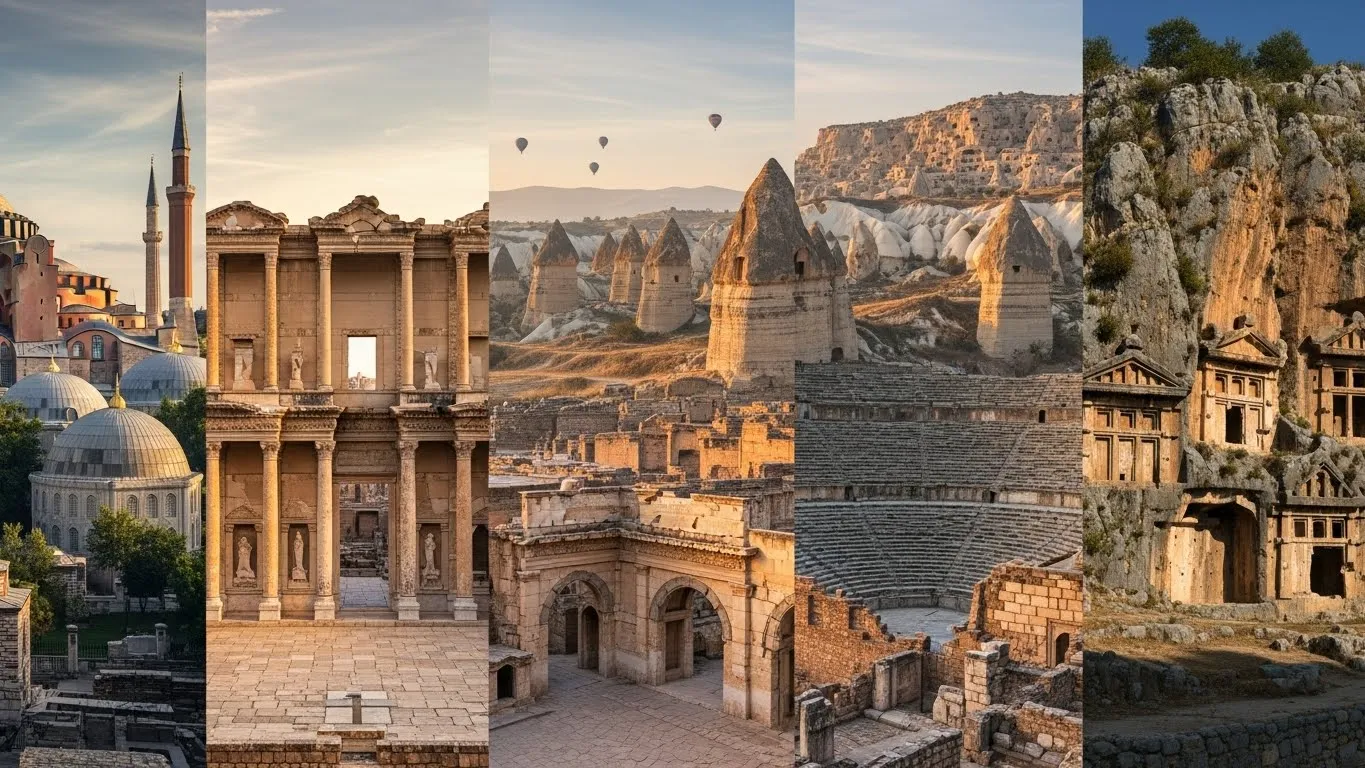
The message to the church in Ephesus (Revelation 2:1-7) offers praise for its perseverance and refusal to tolerate false teaching, but delivers a powerful condemnation: they had lost their first love. This spiritual cooling likely occurred despite (or perhaps because of) the city's comfortable life and the intellectual debates that preoccupied the community. Archaeologically, Ephesus is stunning. Visitors can walk the Curetes Street, marvel at the two-story façade of the Library of Celsus, and imagine the crowds in the Great Theatre, where Apostle Paul faced a riot of silversmiths dedicated to the goddess Artemis.
The city’s dominant religious feature was the immense Temple of Artemis (Artemision), one of the Seven Wonders of the Ancient World. Though only foundations remain, the scale of this pagan worship helps contextualize the intense pressure on the early Christians to compromise. The visual contrast between the magnificent ruins (symbolizing earthly glory) and the spiritual warning (symbolizing eternal value) is the core lesson of the Ephesus segment of The Seven Apocalyptical Churches I | Bmt Turkey pilgrimage.
Ephesus's importance transcends Roman architecture; it is defined by its deep apostolic roots. The city was a major base for early missionary activity, solidifying its role as the pivotal first church in the Revelation sequence.
Near the ruins of Ephesus, the traditional House of the Virgin Mary (Meryem Ana Evi) stands as a place of profound veneration. While the historical certainty is debated, the site remains a globally recognized shrine. Equally significant is the massive ruin of the Basilica of St. John, believed to be built over the apostle's grave. The fact that the city was the final resting place and operational center for foundational Christian figures underscores its authority, making the loss of its "first love" all the more tragic. Bmt Turkey ensures that travelers experience the spiritual atmosphere of these sites alongside the classical ruins, providing a holistic understanding of the The Seven Apocalyptical Churches I | Bmt Turkey Modelleri journey.
Smyrna, modern-day İzmir, is the only one of the seven cities that remains a vibrant, major metropolis today. In the 1st century, it was a beautiful and fiercely loyal Roman city, rivaling Ephesus in importance. The church here received one of the most straightforward and powerful messages (Revelation 2:8-11).
The church in Smyrna was materially poor but spiritually rich. They received no criticism, only praise for their enduring faith amidst persecution. The message speaks of the "synagogue of Satan" and the trial of ten days, preparing them for tribulation. The historical context includes the martyrdom of Smyrna's bishop, Polycarp, who was burned at the stake in the stadium—a powerful testament to the severity of the persecution Christians faced for refusing to worship the Emperor. The city’s current vibrancy requires a unique travel approach: Bmt Turkey focuses on the remaining historical sites like the Roman Agora and the traditional sites of Polycarp’s martyrdom, while contextualizing these ruins within the modern city's dynamic energy. The enduring spirit of Smyrna, today's İzmir, mirrors the promise of the "crown of life" made to the faithful.
Pergamum (modern-day Bergama) was the religious and administrative capital of the Roman province of Asia. It was a center of power, famous for its steep Acropolis, its massive library, and its temple dedicated to the Emperor—a central site for the Imperial Cult. The city was also home to the great altar of Zeus, which John's letter describes as "Satan’s Throne" (Revelation 2:12-17).
The church in Pergamum was praised for holding fast to Christ's name, especially in a city known for its official pagan and imperial worship. Yet, it was criticized for tolerating those who held the teachings of Balaam and the Nicolaitans—doctrines leading to immorality and the eating of food sacrificed to idols. A visit to the towering Pergamum Acropolis reveals the massive architectural evidence of this paganism: the ruins of the Temple of Trajan (dedicated to the Emperor) and the site of the magnificent Altar of Zeus (now in Berlin) powerfully illustrate the pressures of spiritual compromise faced by the church. The Seven Apocalyptical Churches I | Bmt Turkey pilgrimage emphasizes the climb up the Acropolis, symbolizing the struggle between imperial authority and the fledgling Christian faith, making the scriptural context physically immediate.
This concise itinerary focuses on the first two, geographically close churches, offering an in-depth exploration of the commercial and religious pressures of the Roman port cities. It is an ideal weekend or short-break itinerary.
The journey begins in Izmir (ADB) with a private transfer directly to the Ephesus area. Bmt Turkey dedicates a full day to Ephesus, including the Library of Celsus, the Great Theatre, the Basilica of St. John, and the House of the Virgin Mary, ensuring the traveler grasps the depth of its apostolic and Roman history.
The second day is devoted to Smyrna (İzmir). A specialized guide narrates the city's continuous history, focusing on the historical sites of the Roman Agora and the traditional site of Polycarp's martyrdom, while placing these ruins in the context of the vibrant, modern city. This focus on the The Seven Apocalyptical Churches I | Bmt Turkey coastal sites maximizes efficiency, utilizing minimal transfer time and dedicating maximum hours to archaeological and spiritual exploration.
This itinerary is designed for travelers who are particularly interested in the intersection of Roman imperial power, health, and paganism, centering the experience on the magnificent city of Pergamum.
The tour involves a dedicated, extended visit to Pergamum (Bergama). The climax is the exploration of the Acropolis, utilizing the modern cable car for efficient access. The guide details the significance of the Temple of Trajan (Imperial Cult) and the terrifying steepness of the theatre, emphasizing the overwhelming imperial presence that led to the "Satan’s Throne" designation.
The journey also includes a visit to the Asclepion, the ancient world's most famous healing sanctuary, dedicated to the god of medicine, Asclepius . This site, which includes a sacred way and a theatre, further illustrates the rich pagan environment competing with the fledgling Christian faith. Bmt Turkey ensures comfortable transfers from Izmir or Çanakkale, making the historical context of the The Seven Apocalyptical Churches I | Bmt Turkey message in Pergamum clear and powerful.
This phase forms the mandatory start of the comprehensive seven-church pilgrimage, ensuring that the geographical and chronological order of the Revelation letters is strictly followed. It requires a meticulous, structured itinerary over the first three days.
Day 1 (Ephesus): Arrival in Izmir (ADB), private transfer to Selçuk/Ephesus. Full day dedicated to the ruins (Library, Theatre, House of Mary), establishing the foundational critique of losing "first love."
Day 2 (Smyrna): Morning transfer to Smyrna/İzmir. Focus on the enduring faith and the location of martyrdom. The afternoon involves travel preparation for the next stage.
Day 3 (Pergamum): Private transfer north to Pergamum. Focused exploration of the Acropolis and the Asclepion, emphasizing the theme of persecution and compromise under imperial power. This intense, structured start—the core of The Seven Apocalyptical Churches I | Bmt Turkey—is then followed by transfers to the inland sites of the remaining four churches.
Bmt Turkey's expertise in managing this rapid sequence ensures all sites are visited in the correct spiritual order, maximizing the narrative impact of the Revelation letters.
This itinerary balances the intensity of the pilgrimage with the restorative beauty and high-end services of the Turkish Aegean coast, appealing to travelers who seek both spiritual and physical renewal.
Historical Immersion (Ephesus and Pergamum): Dedicated days are spent exploring the immense historical significance of Ephesus and the challenging heights of the Pergamum Acropolis. Guidance focuses on the messages of the Revelation letters.
Aegean Respite: The evenings and final days are spent at a secluded luxury resort or boutique hotel along the Aegean coastline . This allows time for personal reflection, relaxation, and appreciation of the region's culinary and natural beauty.
This blend ensures that the challenging spiritual messages of The Seven Apocalyptical Churches I | Bmt Turkey are processed in an environment of comfort and tranquility. Bmt Turkey customizes the blend, ensuring the archaeological and spiritual aspects are given due weight before the traveler transitions to the luxurious coastal experience.
The three initial churches of The Seven Apocalyptical Churches I | Bmt Turkey are geographically distinct, requiring significant coordination. Ephesus and Smyrna are relatively close to the Izmir hub, but Pergamum lies further north. Bmt Turkey's use of private, climate-controlled vehicles and experienced local drivers minimizes the physical strain of this travel. By organizing the route in a logical loop, the time spent in transit is converted into reflective time, enhancing the overall pilgrimage experience. This logistical excellence is paramount to the quality of the tour.
The messages to the seven churches are deeply rooted in the political and economic reality of the Roman Province of Asia. The guide’s expertise must extend beyond theology to cover the Roman road system, the influence of the Emperor Worship Cult, and the economic structure of cities like Ephesus. This provides the crucial context for understanding the persecution mentioned in the letter to Smyrna and the temptation to compromise in Pergamum. The tour is an academic and spiritual synthesis.
The core themes of the first three messages remain timeless. Ephesus warns against the loss of spiritual passion; Smyrna provides the ultimate example of loyalty unto death; and Pergamum confronts the perennial danger of spiritual impurity and compromise within the community. Walking through the very places where these early believers struggled allows a powerful, personal connection to these foundational Christian principles.
The physical evidence of Imperial opposition is stark at these sites. The massive, dominating presence of the Temple of Domitian in Ephesus or the temples to the Imperial Cult in Pergamum makes the resistance of the early Christians a palpable reality. The The Seven Apocalyptical Churches I | Bmt Turkey pilgrimage uses these archaeological marvels not just as points of interest, but as tangible representations of the "throne of Satan" mentioned in the Revelation letters, reinforcing the profound message of Christian endurance.
The journey through The Seven Apocalyptical Churches I | Bmt Turkey is an unparalleled exploration of early Christian history and monumental Roman architecture. By focusing on Ephesus, Smyrna, and Pergamum, this segment of the pilgrimage vividly captures the themes of faith, persecution, and compromise. Bmt Turkey ensures a deeply enriching experience through expert theological guidance and impeccable logistics, transforming ancient sites into contemporary lessons. This tour establishes the essential foundation of the Revelation narrative, confirming Türkiye as the crucial destination for those seeking a personal and profound connection to the origins of the Christian faith.


 English